 en
 العربية
Advanced use of Time & Sale
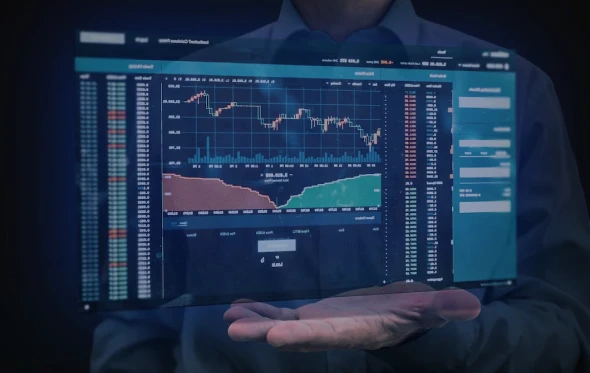
Advanced use of Time & Sale
Unlock exclusive trading videos and eductional content by logging in or creating an account
Frequently Asked Questions
What is the time and sales window?
Forex CFD prices can move quickly, spreads can widen and slippage or gaps can occur. Leverage increases exposure relative to margin. Whether losses can exceed the account balance depends on the broker’s negative-balance policy and account terms; stops do not guarantee an exact fill.
How do you read time and sales?
Gold and oil can be traded through CFDs where offered by the broker, allowing long or short exposure without physical ownership. The contract specifications, price unit, trading hours, spread, margin and overnight financing depend on the symbol. Leverage magnifies both gains and losses.
What is tape reading in trading?
A commodity CFD tracks the price of a commodity without delivery of the physical asset. You can generally take long or short exposure, subject to the symbol’s trading conditions. Margin, spread, financing, slippage and stop-out rules apply.
Why is time and sales useful for day traders?
Time and sales shows real, executed activity, so it can confirm whether a breakout is backed by genuine aggressive buying or is fading. It helps with precise entry timing, spotting absorption at a level, and sensing shifts in momentum before they show on the chart. That said, the tape can be manipulated and is hard to read in fast markets, so never rely on it alone for decisions.
What is the difference between time and sales and the order book?
The order book, or Level 2, shows resting buy and sell orders waiting to be filled, indicating potential support and resistance. Time and sales shows trades that have already executed. In short, the order book is intent while the tape is action. Traders watch both together: the book for where liquidity sits, the tape to see how that liquidity is actually being taken. Both can shift instantly.
Can time and sales be misleading?
Commodity CFDs can be volatile and may gap or experience spread widening around major events. Leverage magnifies the effect of price moves on margin. The potential for losses beyond the posted margin depends on the broker’s account terms and protections; stops do not guarantee the exact exit price.43


